The development sector needs trained professionals.
Not just willing ones.
ISID trains people for real work in social development — in NGOs, CSR departments, government programmes, ESG advisory. Every module is grounded in supervised fieldwork from day one.
Central India's professional school for careers that actually matter
ISID — the Institute of Social Impact & Development — was built on one honest observation: India's development sector has money, it has intent, but it doesn't have enough trained people.
Corporate CSR is now a legal mandate under Section 135. SEBI requires ESG disclosure from listed companies. Government development programmes need professionals who understand community work, not just administration. NGOs are being asked to prove impact with data, not stories alone.
Yet most people entering this sector arrive underprepared — trained in theory, unfamiliar with the field. ISID was established under the Dr. YK Foundation for Research & Education, affiliated to RTM Nagpur University, to fix that. Not with a short course. With a programme built around supervised fieldwork from day one.
We prepare practitioners who can walk into a CSR office, an NGO field programme, or a government welfare unit on day one and be genuinely useful.
India's development sector is professionalising fast. ESG reporting is now mandatory for listed companies. NGOs are being asked to demonstrate impact, not just intent. ISID exists to train the people who will do this work.
Six reasons the sector takes us seriously
Industry-linked curriculum
Updated continuously to current sector needs — CSR law changes, new BRSR indicators, SDG reporting norms. Not a syllabus frozen five years ago.
UGC-approved credits
Recognised under the Academic Bank of Credits (ABC). Your learning is portable, stackable, and carries formal institutional weight.
Faculty from active practice
Our faculty are not only academics. Every programme lead continues to work in the sector — which is why case discussions get specific fast.
Gold Standard curriculum
Benchmarked to national best practice. Theory of Change, SROI, LFA, MEAL frameworks — not jargon, but tools you'll use in your first week on the job.
Central India based, nationally relevant
Rooted in Vidarbha's development landscape with placement networks across NGOs, CSR offices and government programmes in the region.
Structured fieldwork every week
240 hours of supervised, documented fieldwork across community, NGO, CSR office, government programme, hospital and school settings. Not a visit — a placement.
Dr. YK Foundation for Research & Education
We are building a field institution that institutionalises impact: taking ESG, CSR, and development practice out of disconnected, one-off projects and into a structured, accountable discipline.
Leadership Message
The development sector in India is at an inflection point. Regulation is tightening, corporations are being held accountable for their CSR spend, and NGOs are being asked to measure impact rather than activity. A new generation of professionals wants to build careers in work that matters.
ISID was created for exactly this moment: to bring the new-world corporate language of social impact together with the deep-rooted, traditional wisdom of Indian social work practice, and to weave the two into a single, coherent discipline.
Our mission is a holistic revamp of how social work education is delivered in India. We are not a training institute that adds fieldwork as an afterthought, and we are not a corporate-CSR crash course detached from community reality. The classroom exists to make sense of what learners are experiencing in communities, NGOs, and corporate CSR offices. Everything we teach connects to something real.
We are bringing the best of faculty practitioners and academics together to cater to the updated needs of social change and leadership, building a field institution for people who are serious about the sector, serious about their careers, and serious about doing the work well.
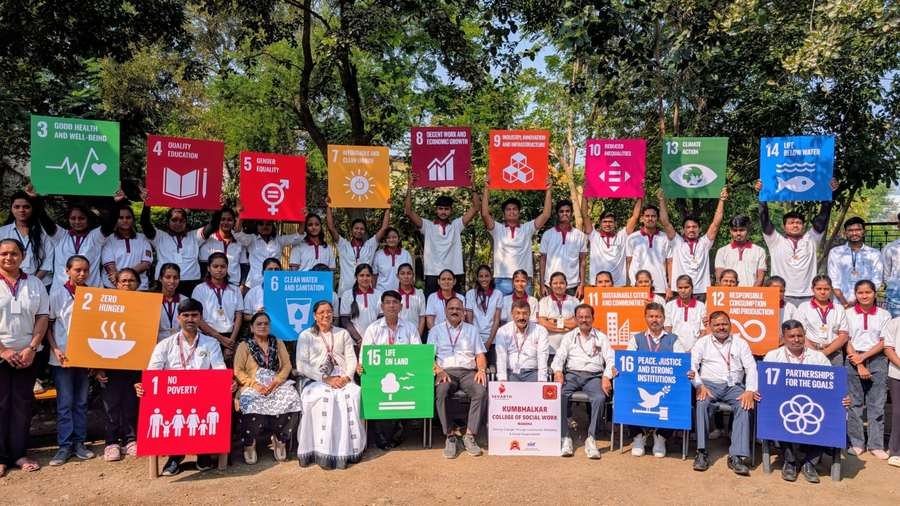
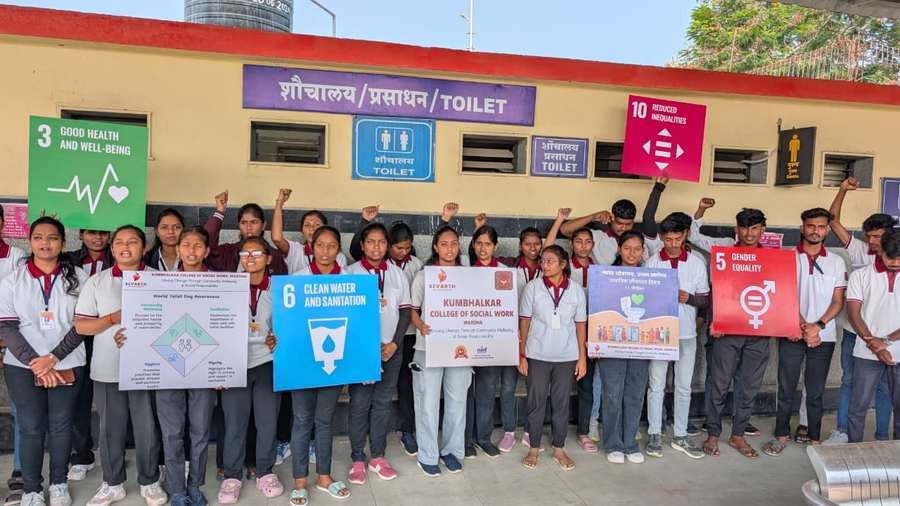
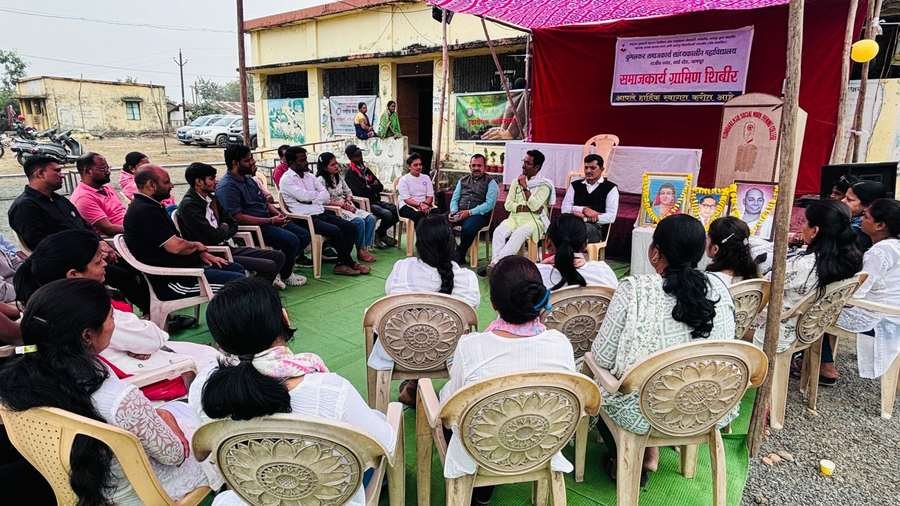
This is what learning looks like at ISID
Every photo below was taken during actual field placements and community programmes by ISID students and partner institutes. This is the classroom.
Two programmes. One purpose.
One is a full professional grounding. The other is a focused upskill. Pick by where you are in your career, not by what sounds more impressive.
Diploma in Applied Social Work & Development Management
A six-month professional diploma across two terms — social work theory and practice, community organisation, development management, research methods, CSR and ESG — with supervised concurrent field placement and a capstone research project.
Modules include
- Social work practice
- Community organisation
- Development management
- Research methods
- CSR & ESG
- Project design (LFA)
- Field practicum I & II
- Capstone project
Certificate Course in CSR, ESG & Sustainability
An intensive eleven-week course covering India's CSR legal framework, global ESG standards, BRSR reporting, SDG mapping, and practical project design. Built for corporate professionals, NGO staff and consultants who need working knowledge fast.
Modules include
- Companies Act s.135
- Schedule VII
- CSR Rules 2021
- ESG pillars
- GRI & SASB
- SEBI BRSR
- SDG mapping
- CSR concept note
The sector demands this. We deliver it.
Real numbers from the brochure — not aspirational figures we can't back up.
Six things we do differently
Most of these sound obvious. Very few institutes actually structure their programmes around them.
Fieldwork from month one
You're placed with a partner organisation in Term 1, not in a final-semester add-on. Your classroom learning gets tested against what you see in the field — every week.
Frameworks people actually use
Logical framework analysis, Schedule VII, BRSR disclosure formats, GRI standards, SDG mapping. You produce documents in formats employers already recognise.
Built around a working life
Weekend and evening schedules, modular credit structure, continuous assessment. Designed so you don't have to quit your job or pause your career to attend.
University-recognised credential
Affiliated with RTMNU through the Department of Lifelong Learning & Extension. Formal credits, graded assessment, a certificate that holds up in institutional hiring.
Rooted in Vidarbha
Case studies, placements and networks drawn from Central India. If you're building a career in this region, the relationships made during the programme matter as much as the syllabus.
You graduate with a portfolio
The diploma capstone is a supervised field research report — built on your own fieldwork data, not a literature review. Something you can defend in an interview.
What our students do in the real world
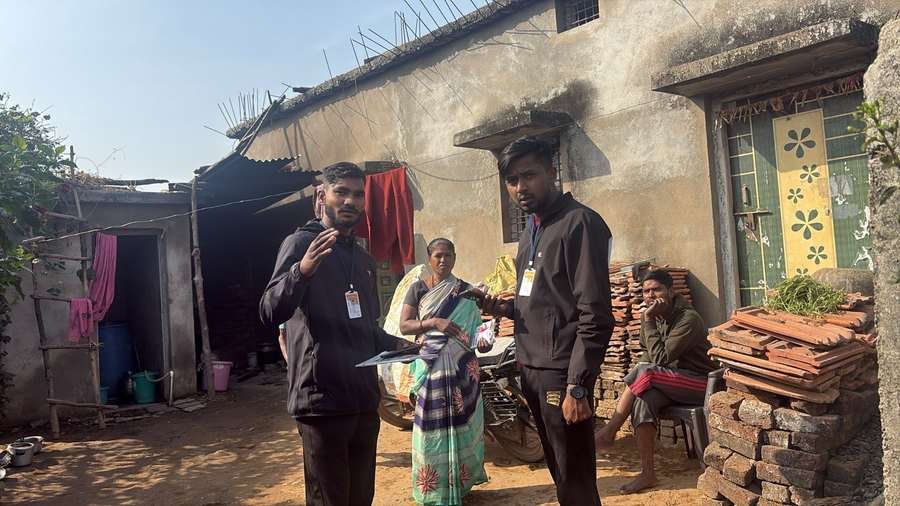
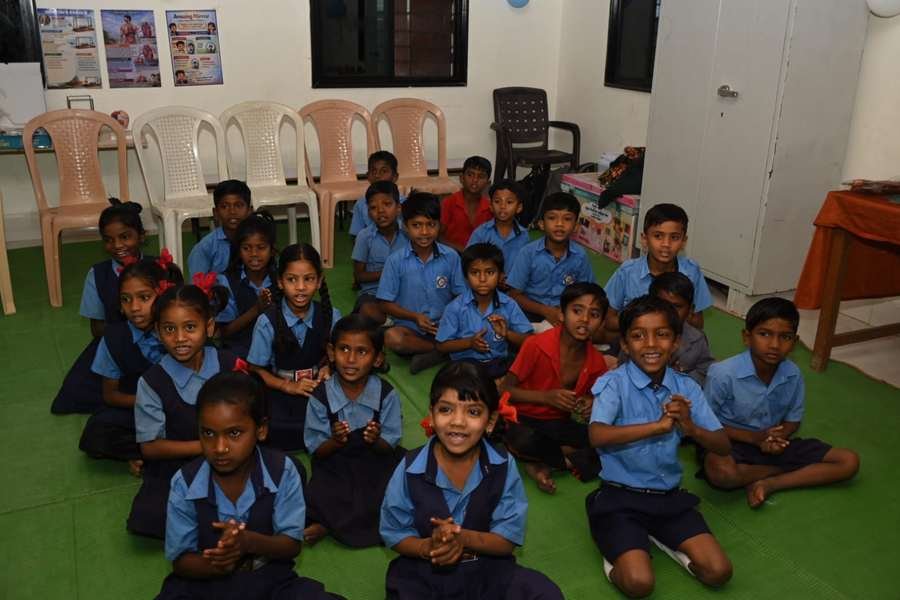
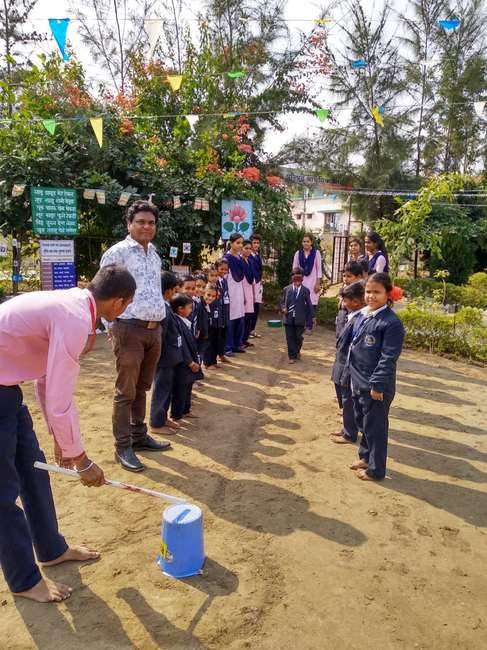
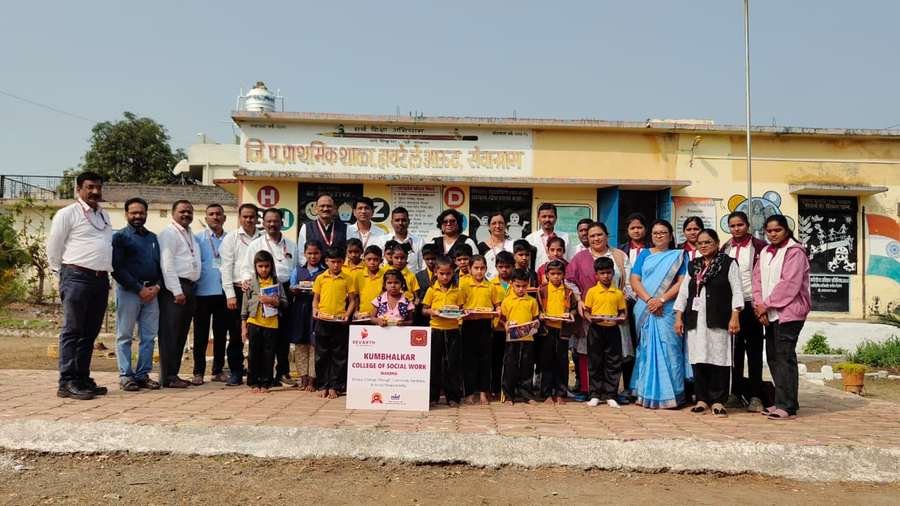
These photographs are from actual field placements, community camps and awareness programmes run by social work students in Nagpur, Wardha and Vidarbha.
Follow the work on Instagram
We post from the field — community camps, awareness drives, student placements, events. See what's actually happening.
Where this actually takes you
These are the roles our curriculum is built backwards from — real job descriptions in India's development and CSR ecosystem.
CSR Manager / Executive
Design programmes against Schedule VII categories, manage NGO implementation partners, run impact assessment, handle the annual CSR report and board disclosures.
Programme Officer, NGO
Own a field programme end to end — community mobilisation, beneficiary identification, activity planning, donor reporting, monitoring against a logframe. The most common first role for diploma graduates.
ESG Analyst / Sustainability Consultant
Advise companies on ESG disclosure, prepare BRSR submissions, benchmark against GRI and SASB standards. A growing role as SEBI's requirements expand down the listed-company tier.
Government & Policy Implementation
District social welfare offices, state development missions and scheme implementation units hire people with formal social work training. The diploma's research and field components map directly onto these roles.
Social Entrepreneur / Founder
If you're building your own initiative, the project design, funding-proposal and impact-measurement modules decide whether your organisation survives its third year. Many participants come in already running something.
Hiring landscape
Where demand sits in the Indian market right now, based on placements and enquiries.
Five steps. No entrance exam.
We admit on the basis of eligibility and a conversation — not a test score.
Send an enquiry
Call us or email admissions. Takes under a minute.
Counselling call
A real conversation about your background, goals and which programme fits.
Apply formally
Submit the application with eligibility documents.
Coordinator review
Programme coordinators confirm shortlisting and admission.
Enrol & begin
Pay fees, receive the programme handbook, meet your batch.
Diploma in Applied Social Work
Open to any graduate from any discipline — science, commerce, arts, or professional degrees. No prior social work background required. The first term covers foundational concepts from scratch.
Certificate in CSR, ESG & Sustainability
Graduate degree from any discipline, or a working professional with relevant experience. Strongly suited to HR, sustainability, legal or operations professionals moving into CSR functions. No minimum experience required.
Seven practitioners. Decades of field experience.
Drawn from active practice — not only academia. Each faculty member brings a specialisation that maps directly onto real field work.
Dr. Chandu K. Popatkar
26+ years in social work education and institutional leadership. Expert in social inclusion, livelihood promotion, and community development. Known for building institutional capacity and advancing social work as a professional discipline.
Dr. Vilas Baile
Distinguished social development professional with over two decades of experience in research, teaching, and capacity building. Blends academic excellence with grassroots engagement to foster meaningful social transformation.
Dr. Vijay Shingnapure
Distinguished social work academic with 31 years of teaching and leadership. Pioneering researcher on tribal development, women empowerment, child welfare, and social research methodology.
Dr. Sanjay Fulkar
22+ years of expertise in sustainable farming, climate resilience, youth entrepreneurship, social marketing, and community development. Brings deep practitioner-level field knowledge to every session.
Dr. Abhay Shende
Accomplished academic and researcher specialising in social policy, planning, and community development, committed to advancing sustainable social change through research, teaching, and professional practice.
Dr. Rupesh Kawale
31 years of experience in rural management, community development, livelihood promotion, rural research, and policy development. A key voice in understanding Central India's development landscape.
Mr. Laxmikant Shinde
Dedicated trainer and development professional with expertise in WASH (Water, Sanitation & Hygiene). Committed to strengthening community health, hygiene awareness, and sustainable development through capacity building.
Things people ask us
Still unsure?
Most enquiries end with a straightforward phone call. If neither programme is right for you, we'll say so — it saves everyone time.
No. The diploma is open to any graduate from any discipline. We built it this way deliberately — some of the strongest field workers come from commerce, science, arts or professional backgrounds with no prior exposure to social work. Term 1 covers foundational theory from the ground up.
Yes, and a significant portion of our participants do. Classes run on weekends and evenings. Assessment is distributed through the term rather than concentrated in one high-stakes exam. The one thing that needs planning is field placement — we work with you to identify a partner organisation and schedule that fits around your job.
You are placed with a partner organisation — an NGO, corporate CSR unit, or government programme — and work there on a regular schedule across both terms, under a named supervisor. You maintain field records, and that work feeds directly into your assessments and your capstone project. It is graded and supervised, not an informal shadow arrangement.
Both programmes are affiliated with Rashtrasant Tukadoji Maharaj Nagpur University (RTMNU) through its Department of Lifelong Learning & Extension. This gives them a formal credit structure and academic standing — which matters most in government and institutional hiring where recognised qualifications are often a screening requirement.
The diploma culminates in a supervised research report built on your own fieldwork data — your community surveys, field records and placement observations from across both terms. It is not a literature review. It is something you can put in front of a hiring manager and defend. Several participants have been hired directly by their placement organisations partly on the strength of this report.
Depth and entry point. The diploma is a full professional grounding for someone entering the development sector — six months, 28 credits, extensive concurrent fieldwork, a capstone. The certificate is an 11-week specialist course in CSR, ESG and sustainability for someone already in a career who needs that specific knowledge urgently. If you're choosing between them, the honest question is: are you entering the sector or upskilling within it?
We don't promise guaranteed placement — and we'd be wary of any institute that does. What we provide is a live network of partner organisations, faculty who are active in the sector and regularly asked for referrals, and a capstone that functions as a genuine portfolio piece. Several participants are hired by their own field placement organisation before the programme even ends.
The sector is hiring. Be someone worth hiring.
Whether you're finishing your 12th or fifteen years into a career, one of our two programmes is probably built for where you are right now. Start with a conversation — there's nothing to commit to yet.